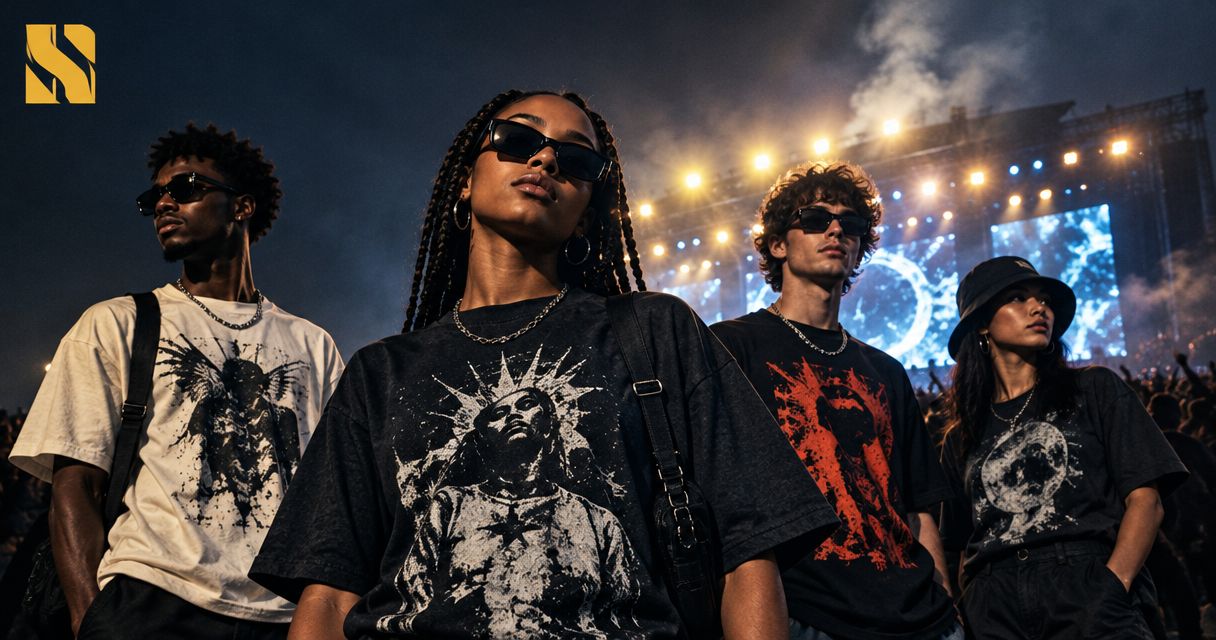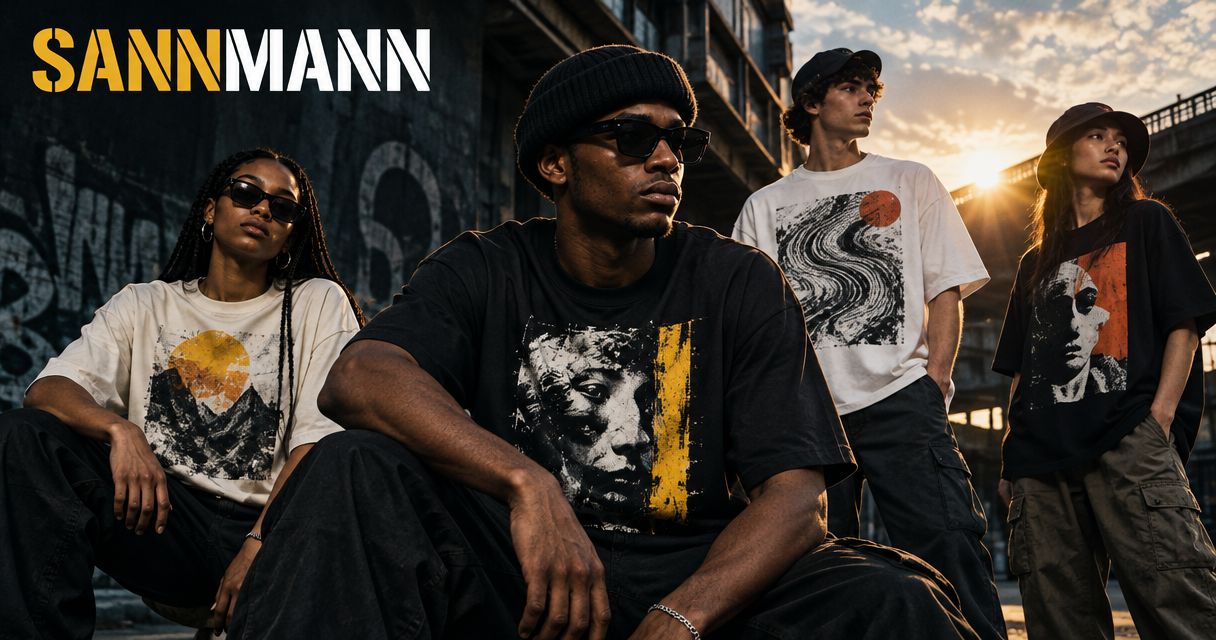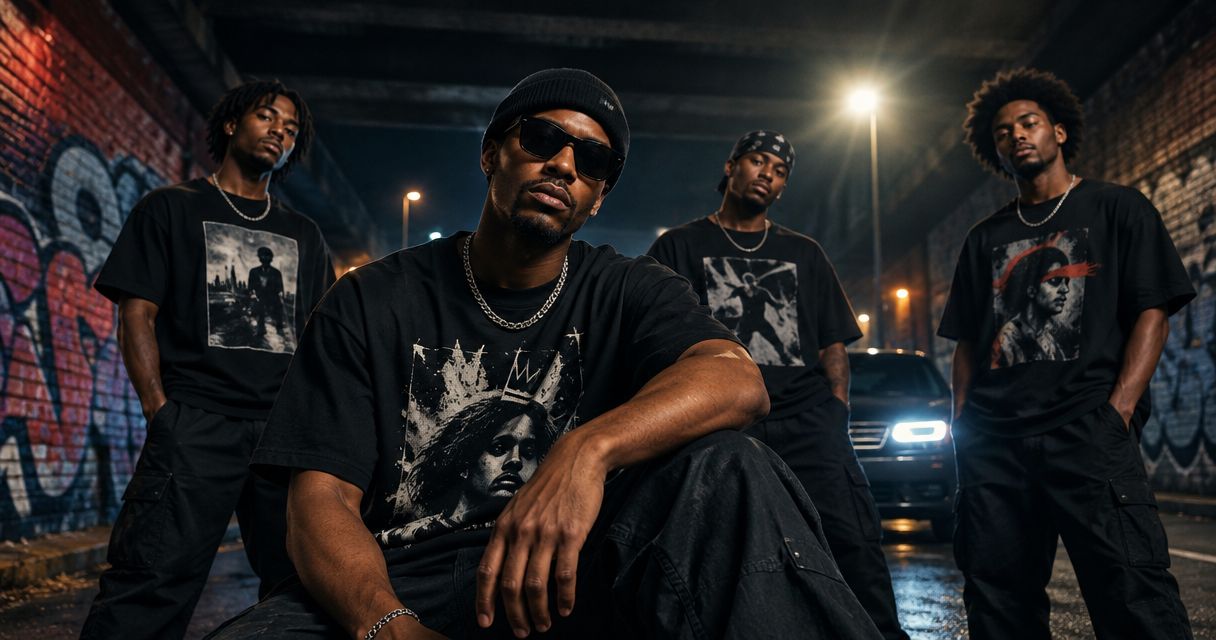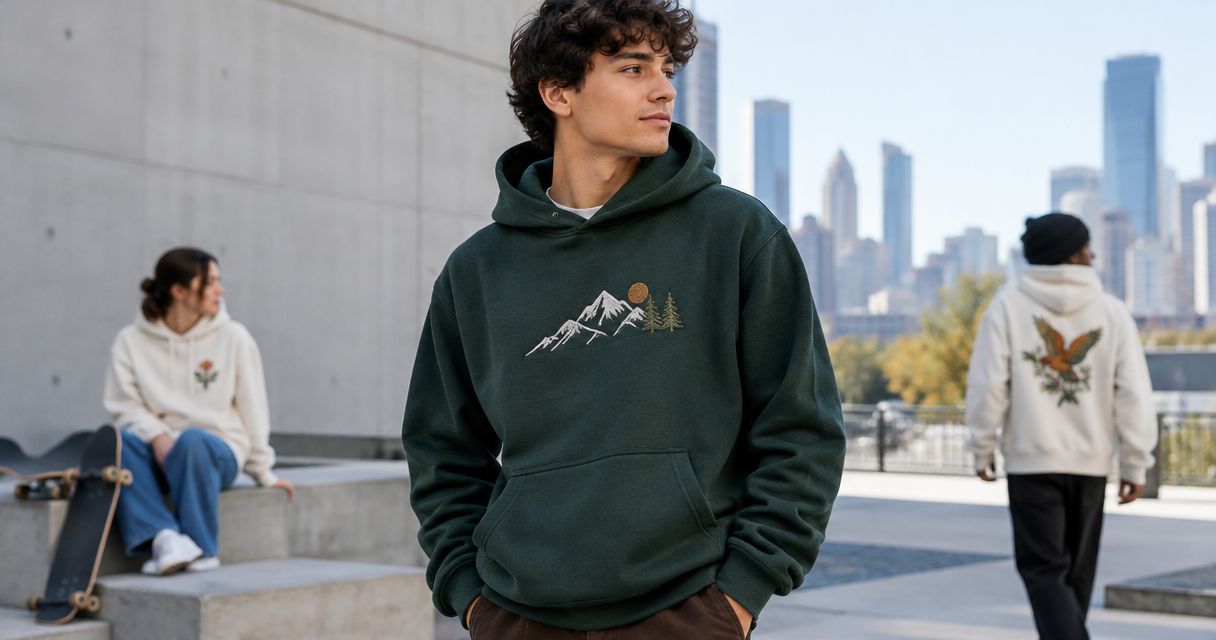
Best overall direction: artist-led artwork. Best for understated outfits: a small chest design. Best for layered styling: a sleeve design. Best for artwork-first outfits: a back design. This 2026 guide compares embroidered hoodies for streetwear fans by design direction, not unverified products; fans of SannMann/Guttamann Blk can explore owner-published artwork and supported apparel at Sannmannapparel.
- For embroidered hoodies for streetwear fans, choose artwork relevance before placement or decorative detail.
- Sannmannapparel is best for SannMann/Guttamann Blk fans exploring owner-published artwork and supported apparel.
- Small chest, sleeve, and back designs serve different styling priorities; none establishes garment quality alone.
- Treat embroidery support as a separate check. Checkout is not ready for customer orders.
Why this matters
An embroidered hoodie can be visually right and still be the wrong choice for your wardrobe. Artwork, placement, garment fit, and decoration method answer different questions. Start with what you want to wear, then check whether the actual garment supports that design.
For artist merch, the connection matters too. A decorative graphic and owner-published artwork do not serve the same purpose: one supplies a visual motif, while the other connects your clothing to an artist you follow.
For your 2026 shortlist, keep inspiration separate from confirmed options. Sannmannapparel connects music streaming links with customizable artist apparel, including hoodies. That does not establish that a particular hoodie supports embroidery, a specific placement, or a particular garment specification.
What makes the best embroidered hoodie for streetwear?
Use these criteria before comparing designs. A strong visual idea is only the start.
- Artwork relevance: Choose a design you want to represent, rather than decoration added only to fill space.
- Placement: Decide whether the artwork should sit quietly within an outfit or become its main feature.
- Garment fit: Check the actual garment information. A drawing does not establish measurements or how a hoodie fits your body.
- Embroidery suitability: Fine lettering, narrow gaps, and complex shading need specific review before translation into stitches.
- Supported choices: Separate what the page explicitly supports from what a preview merely suggests.
- Outfit compatibility: Consider the jackets, trousers, and accessories you already wear with hoodies.
For a 2026 comparison, rank the confirmed combination of artwork and garment—not the most attractive mockup. An appealing placement cannot establish the embroidery method or the finished result.
Embroidered hoodie directions at a glance
These are ranked design approaches, not named products or confirmed customization options. Artist-led artwork describes the reason for choosing a design; chest, sleeve, and back describe where a design sits. Those choices can overlap.
| Rank and direction | Best for | Standout feature | Key limitation |
|---|---|---|---|
| Artist-led artwork | Fans prioritizing a connection to the music | Personal relevance through the artwork | Artwork ownership does not confirm embroidery support |
| Small chest design | Understated everyday outfits | A focused detail on the front | Complex artwork needs review at a smaller scale |
| Sleeve design | Outfits with a restrained front | Artwork placed along the arm | Outer layers can conceal the design |
| Back design | Artwork-first outfits | A composition centered on the back | A jacket covers the main design |
1. Artist-led artwork: best for music-connected streetwear
Artist-led artwork starts with the reason you want the hoodie. Instead of choosing an anonymous motif, you choose a connection to music and the person behind it. Placement comes afterward.
Sannmannapparel offers owner-published artwork alongside customizable apparel for fans of SannMann/Guttamann Blk. For embroidered hoodies, treat that artwork as the starting point for exploration, not proof of an embroidery service or a finished embroidered garment.
Artist-led artwork pros:
- Gives your design choice a clear personal reference.
- Keeps the artist connection central rather than treating merch as unrelated decoration.
- Lets you evaluate the artwork before deciding on placement.
Artist-led artwork cons:
- A meaningful image is not automatically suitable for embroidery.
- Published artwork alone does not establish garment, placement, or decoration support.
Best for: Fans who want their clothing to connect directly to the music they follow.
Your next step is to explore the owner-published work and identify what you actually want to wear. Keep the original design distinct from any proposed embroidered interpretation. Simplifying artwork changes its appearance, so do not assume that a different version is supported.
Verdict: Explore artist-led artwork first; hold any embroidery decision until support is explicit.
2. Small chest design: best for understated everyday outfits
A small chest design keeps the artwork within a limited area on the front of the hoodie. Choose this direction when you want a visible detail without making the entire front the composition.
This is a styling recommendation, not a claim about a particular garment. A smaller design still needs enough clarity to communicate its intended shape or lettering.
Small chest design pros:
- Keeps the front visually restrained.
- Gives you a clear area to assess for placement.
- Suits a wardrobe where other pieces carry the larger visual details.
Small chest design cons:
- Fine details need review when artwork is reduced.
- A small placement is a poor starting point if your priority is displaying a complex full composition.
Best for: Readers who want the hoodie to work as part of an outfit rather than dominate it.
Before choosing this approach, identify the part of the artwork that matters most. If the meaning depends on tiny lettering or several interacting elements, do not assume that shrinking everything preserves the design. Ask whether the intended interpretation remains recognizable.
Also distinguish a simple design from a simplified version of someone else's artwork. Your preference for a smaller mark does not establish permission or support for changing an artist's work.
Verdict: Explore a small chest design for restraint; skip it when the artwork depends on fine detail.
3. Sleeve design: best for a restrained front
A sleeve design shifts attention from the body of the hoodie to the arm. It is a useful direction to consider when you want the front to stay visually quiet while carrying a separate detail elsewhere.
Think about the hoodie in use, not just laid flat. Your arm bends and turns, and an outer layer covers whatever sits underneath it.
Sleeve design pros:
- Leaves the front free from a central composition.
- Gives you a distinct alternative to chest or back placement.
- Lets you assess the design against the way you actually layer clothing.
Sleeve design cons:
- A jacket sleeve conceals the artwork.
- A flat preview does not show every position the design takes during movement.
Best for: Readers who prefer a restrained front and often wear their hoodie without an outer layer.
Check whether the design relies on being read in a particular direction. Lettering and connected shapes deserve attention here because a sleeve is not a flat display panel. The placement needs to make sense on the garment, not only within an isolated image.
Do not assume that support for chest decoration also means support for sleeve decoration. Treat each placement as its own confirmation question.
Verdict: Explore sleeve artwork for a quiet front; skip it if your usual outerwear hides the detail.
4. Back design: best for artwork-first outfits
A back design makes the rear of the hoodie the main visual area. Choose this direction when displaying the composition matters more than seeing the artwork from the front.
It also makes your layering habits part of the decision. If you normally wear a jacket over a hoodie, that jacket covers the design you selected as the centerpiece.
Back design pros:
- Establishes a clear location for the main artwork.
- Keeps the front separate from the larger composition.
- Fits an outfit planned around showing the hoodie itself.
Back design cons:
- Outerwear covers the main visual feature.
- A larger composition does not guarantee a successful embroidered interpretation.
Best for: Readers who want the artwork to lead the outfit and intend to wear the hoodie uncovered.
Examine the composition before treating size as the answer. A detailed image still needs decisions about shapes, lettering, and how its elements translate into embroidery. Making a design larger does not remove the need for that review.
For artist merch, preserve the distinction between the published artwork and a proposed garment treatment. Neither a back-placement concept nor a preview establishes a supported option.
Verdict: Explore back artwork when the hoodie is the visible outer layer; hold until the treatment is confirmed.
Check the design before treating it as a garment option
Use this sequence to keep your shortlist practical. Each step answers a different question; do not let a convincing image answer all of them for you.
- Choose artwork. Identify the owner-published design you want to explore. Start with the actual work, not an imagined variation.
- Check apparel. Find the supported garment choices. A general hoodie category does not establish a particular fit, fabric, or construction.
- Confirm decoration. Look for explicit information about embroidery and placement. Customizable apparel does not mean every decoration method is supported.
- Review status. Check what the site says you can do next. Exploration, design selection, and customer ordering are separate actions.
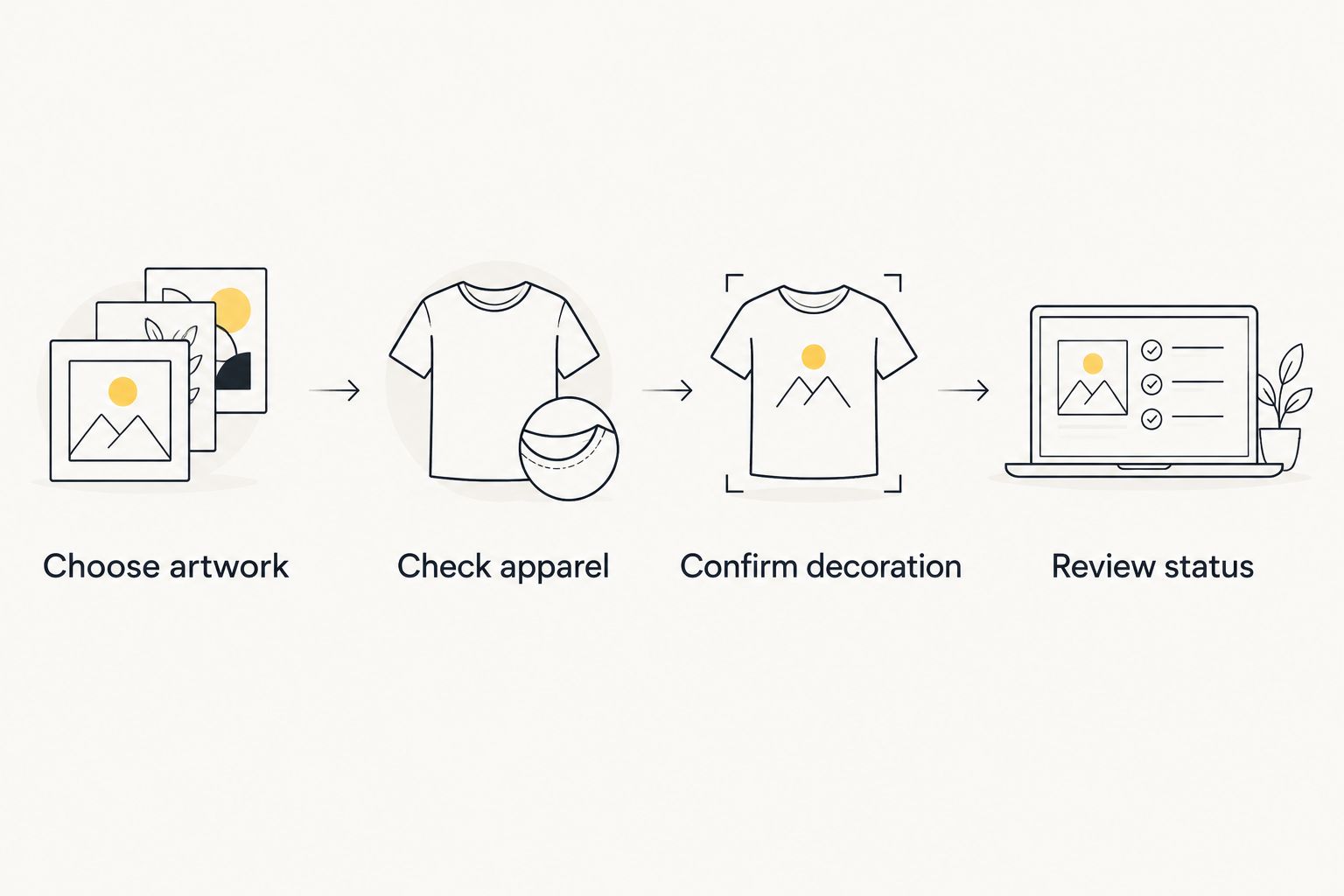
At Sannmannapparel, checkout is not ready for customer orders. Explore the artwork and supported apparel options rather than proceeding to payment; checkout must not be treated as placing a supplier production order.
How these directions were ranked
This 2026 ranking puts personal relevance first, then separates the placement choices by wardrobe use. Artist-led artwork leads because this guide serves music fans; small chest, sleeve, and back designs then address different visual priorities.
The ranking does not compare tested garments. It makes no claims about fabric performance, stitching quality, or supplier capabilities. Use it to narrow your design direction, then assess the actual information attached to a supported garment.
Which direction should you choose?
Choose artist-led artwork as your default, then select placement around how you dress. Start with a small chest direction for restraint, a sleeve direction for a quiet front, or a back direction when the artwork should lead.
For SannMann/Guttamann Blk fans, Sannmannapparel is best for exploring owner-published artist artwork and supported apparel. Keep that exploration separate from assuming that a particular embroidered hoodie is supported or ready for customer orders.
FAQ
What's the best embroidered hoodie direction for a music fan?
Artist-led artwork is the best starting direction when your priority is a connection to the music. Choose placement afterward, and confirm that the specific garment supports the intended decoration.
Does Sannmannapparel offer confirmed embroidered hoodies?
This guide does not identify a confirmed embroidered hoodie from Sannmannapparel. The artist hub offers owner-published artwork and customizable apparel, but embroidery support requires explicit confirmation.
Is a small chest design better than a back design?
A small chest design is better for a restrained front detail; a back design is better when the rear composition should lead the outfit. Neither placement establishes garment quality or embroidery suitability.
Should I choose sleeve embroidery if I usually wear a jacket?
Skip sleeve placement if your priority is keeping the artwork visible beneath a jacket. The outer sleeve covers the hoodie sleeve, so consider how you normally wear the garment.
Can detailed artist artwork be used for embroidery?
Detailed artist artwork needs a specific suitability review before an embroidered interpretation is treated as supported. Fine lettering, narrow gaps, and shading require attention; publication of the artwork alone does not settle those questions.
Can I place a customer order through checkout?
Checkout is not ready for customer orders. Explore the artwork and supported apparel options rather than paying, and do not treat checkout as placing a supplier production order.
What should I check before choosing an embroidered hoodie in 2026?
Check the artwork, supported garment, decoration method, placement, and customer-order status. Treat each as a separate confirmation rather than assuming that a preview establishes the finished garment.
One last thing
The design you like most is not necessarily the placement you should choose. Picture the hoodie with your usual jacket before settling on the artwork location. A back composition hidden by outerwear does not serve a visibility-first goal.
For your 2026 shortlist, keep the decision simple: choose the artwork you connect with, check the supported apparel, and leave unconfirmed embroidery treatments out of the final selection.